Medium breed
Irish Terrier Puppies
Loyal guardian, playful companion for families
We do not have Irish Terrier puppies on the floor today. Tell us what you are looking for and we will let you know the moment one arrives, or help you find a breed that suits your home just as well.
- Adult weight 25–27 lbs
- Height 18–20 in
- Lifespan 12–15 years
- Exercise 60 min a day
About the Irish Terrier
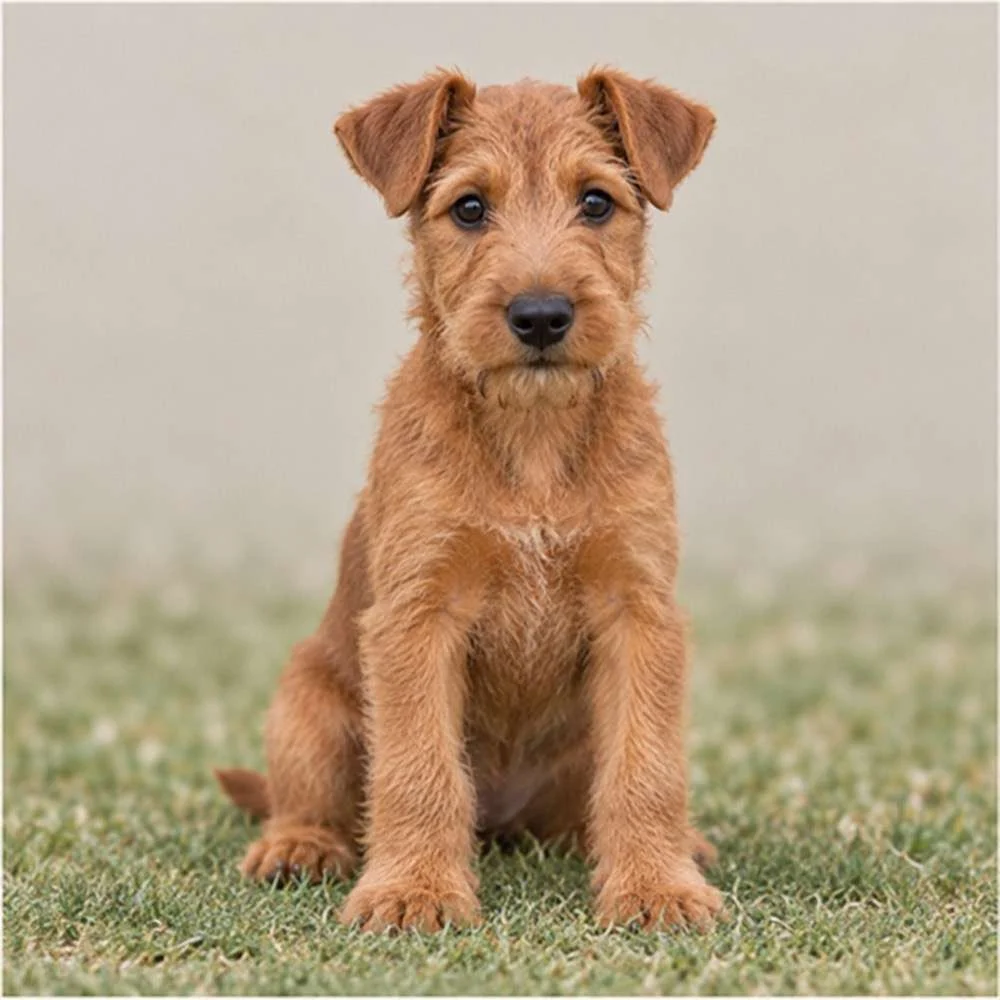
The Irish Terrier, known for its striking red coat and spirited personality, has a rich history that dates back to the late 19th century in Ireland. Originally bred as a versatile farm dog, they served as loyal companions and skilled hunters, which has shaped their lively and inquisitive temperament. As a future owner, you’ll find that these medium-sized dogs have an outgoing nature and can make excellent additions to active families who have older children, although they may not be the best fit in households with young kids or other pets.
Read more about the Irish Terrier Show less
With a lively energy level, Irish Terriers thrive on regular exercise and enjoy engaging activities that allow them to express their playful spirit. Daily walks, romps in the yard, or fun adventures will keep your Irish Terrier happy and healthy, though apartment living might not be ideal for these energetic dogs. While grooming involves weekly maintenance to keep that beautiful coat looking its best, potential owners should be prepared for a moderate amount of shedding.
Trainability can be a challenge with Irish Terriers, as their independent streak means they often have their own ideas about obedience. They require a patient handler who can use positive reinforcement techniques to instill good behavior. Their barking tendencies can be quite pronounced, making them vocal watchdogs that will alert you to any happenings around your home. If you’re ready to embrace their spirited charm and engage in their lively antics, these delightful dogs will bring joy to your family for years to come.
Irish Terrier breed profile
Every score below is set by our team for this breed. Higher is simply more of that trait, not better or worse.
Temperament
-
Affection Independent
-
Playfulness Always game
-
With strangers Cautious
-
Territorial Very territorial
-
Prey drive High
Family & other pets
-
Young children Good
-
Older children Good
-
Other dogs Prefers to be the only dog
-
Cats Not advised
Energy & exercise
-
Energy High
-
Mental stimulation High
Training
-
Trainability Independent minded
-
Intelligence Steady
-
Stubbornness Stubborn
Care & upkeep
-
Shedding Heavy
-
Drooling Minimal
-
Barking Vocal
Home life
-
Apartment living Prefers a house
-
Time alone Most of a day
-
Cold weather Comfortable
-
Warm weather Comfortable
A good match for
-
First-time owners Manageable
-
Senior owners Suitable
-
Running partner Good
-
Hiking Good
-
Therapy work Possible
-
Guarding Protective
Living with a Irish Terrier
Temperament & Family Fit
Irish Terriers are known for their spirited and friendly nature, making them a delightful addition to any family. They thrive in active households and are particularly good with young kids, showcasing a protective streak full of affection. However, due to their independent nature, they may not be the best fit for families with other dogs or cats, as they can display a bit of a stubborn streak around them.
Energy & Exercise
This breed boasts a solid energy level, requiring regular exercise to keep them happy and healthy. Daily walks and playtime in a secure area will satisfy their energetic needs while preventing boredom. Just remember, an engaged Irish Terrier is a happy Irish Terrier, so plenty of activity is essential!
Care & Grooming
Irish Terriers have a wiry coat that needs to be groomed weekly to maintain its condition and reduce shedding. Despite their medium size, they aren’t the most apartment-friendly, so a home with a yard is ideal. Regular grooming not only keeps their coat in check but also strengthens the bond between you and your furry friend.
Training Notes
While Irish Terriers might come across as a bit of a challenge when it comes to training, they certainly have the capability to learn. With consistent, positive reinforcement methods and plenty of patience, you'll find success eventually. Just keep in mind that their independent spirit can make them a bit headstrong; so approach training with a kind but firm hand!
Caring for a Irish Terrier
- Grooming
- Weekly brushing
- Grooming cost
- Low
- Monthly food
- Average
- Outdoor space
- A yard is recommended
- Allergy friendly
- Not considered hypoallergenic
Frequently Asked Questions
What is the energy level of an Irish Terrier?
Irish Terriers have a moderate energy level, rated around a 4. They enjoy playtime and daily walks, so be prepared to take them out for some physical activities. While they are not hyperactive, they do benefit from regular exercise to keep them happy and healthy.
Are Irish Terriers good with children?
Absolutely! Irish Terriers tend to do well with young kids, scoring a 4 in that department. They are generally affectionate and can be great companions for children, enjoying their playful nature and family activities, although supervision is always best.
How much grooming does an Irish Terrier require?
Irish Terriers need weekly grooming, which is quite manageable. Regular brushing helps keep their coat looking neat and reduces shedding around the house. It's a perfect opportunity to bond with your furry friend, too!
Are Irish Terriers apartment friendly?
Irish Terriers might not be the best fit for apartment living, scoring a 2 on apartment-friendliness. They thrive in environments where they can get ample exercise and space to roam. A home with a yard would be ideal, but with enough daily walks, they can adapt to smaller living situations.
How do Irish Terriers get along with other pets?
Irish Terriers tend to score low when it comes to getting along with other dogs and cats, sitting at a 1. While they can form strong bonds with their human families, they may not be the most social with other animals. If you have other pets, careful introductions and supervision will be key.