Small breed
Pug Puppies
Pug cuddles and smiles for the whole family
We do not have Pug puppies on the floor today. Tell us what you are looking for and we will let you know the moment one arrives, or help you find a breed that suits your home just as well.
- Adult weight 14–18 lbs
- Height 10–14 in
- Lifespan 13–15 years
- Exercise 30 min a day
About the Pug
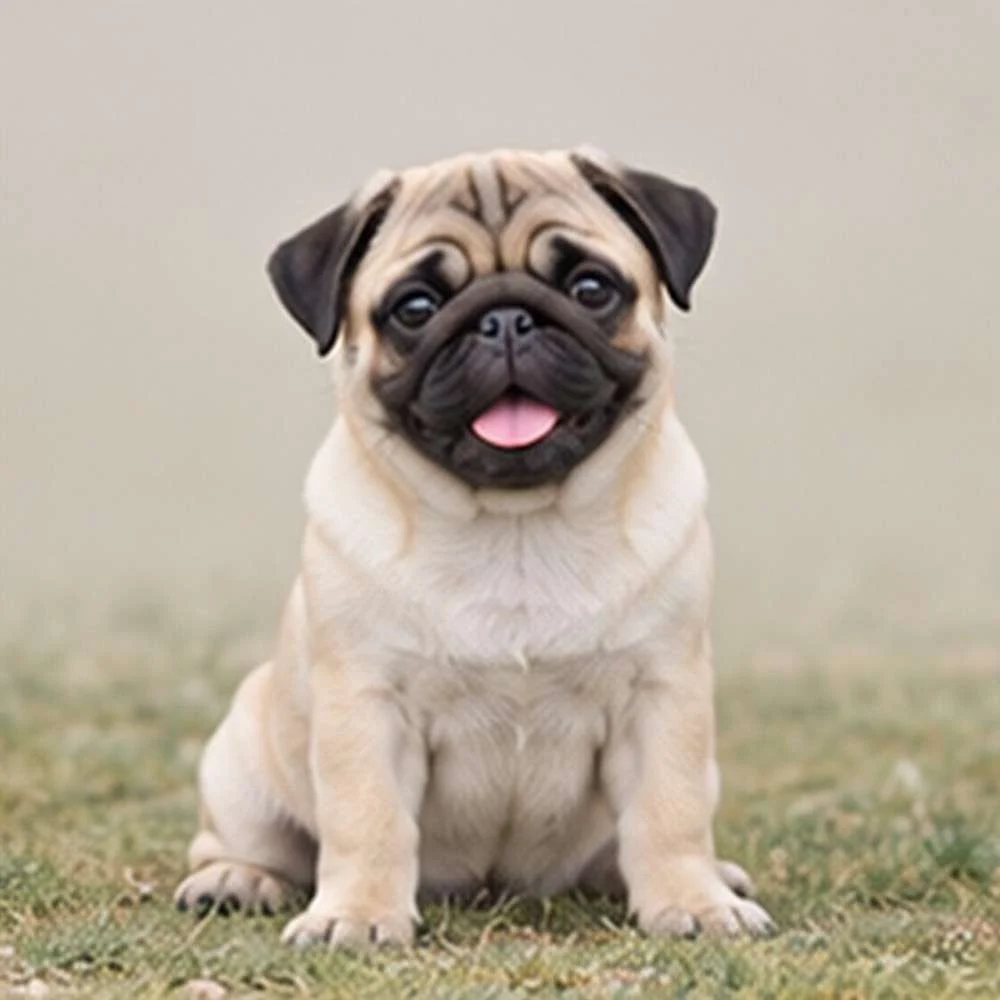
Pugs are a charming and small breed, known for their endearing wrinkled faces and playful personalities. Originating from ancient China, they were bred as companions for royalty and have retained their affectionate nature through the centuries. Their loving demeanor makes them an excellent fit for families, as they thrive in the presence of young children and get along well with other dogs and even cats. If you are searching for a loyal friend that will cuddle up on the couch with you after playtime, a pug might be perfect for your household.
Read more about the Pug Show less
With a moderate energy level, pugs do not require extensive exercise, making them suitable for apartment living. A few short walks and play sessions daily will keep them happy and healthy. Despite their playful nature, they are cozy lap dogs at heart, eagerly seeking out your affection and companionship. Pugs are generally well-behaved and trainable, though their stubborn streak can add a touch of challenge to obedience training. Patience and positive reinforcement will go a long way in teaching your pug the basics.
Grooming is quite manageable with pugs, as they only need monthly brushing to keep shedding to a minimum and their coat looking its best. Their low grooming requirements paired with minimal shedding make them fantastic pets for those concerned about cleaning. If you are looking for an affectionate and adaptable breed that excels as a family companion, consider welcoming a pug into your home from Petland Pembroke Pines.
Pug breed profile
Every score below is set by our team for this breed. Higher is simply more of that trait, not better or worse.
Temperament
-
Affection Very affectionate
-
Playfulness Very playful
-
With strangers Friendly
-
Territorial Territorial
-
Prey drive Low
Family & other pets
-
Young children Excellent
-
Older children Excellent
-
Other dogs Sociable
-
Cats Usually fine
Energy & exercise
-
Energy Relaxed
-
Mental stimulation Light
Training
-
Trainability Quick to learn
-
Intelligence Bright
-
Stubbornness Stubborn
Care & upkeep
-
Shedding Minimal
-
Drooling Some
-
Barking Vocal
Home life
-
Apartment living Well suited
-
Time alone Short periods
-
Cold weather Needs a coat
-
Warm weather Comfortable
A good match for
-
First-time owners Good first dog
-
Senior owners Good
-
Running partner Not suited
-
Hiking Not suited
-
Therapy work Good
-
Guarding Low
Living with a Pug
Temperament & Family Fit
Pugs are known for their charming and affectionate nature, making them wonderful companions for families. Their gentle demeanor means they do exceptionally well with young kids, and they often form strong bonds with other pets, including dogs and cats. This breed thrives in a loving home environment, where their playful spirit can shine!
Energy & Exercise
With a moderate energy level, pugs are content with a good mix of playtime and relaxation. While they enjoy a daily walk or two, they are also perfectly happy lounging around the house, making them ideal for apartment living. Just keep an eye on their weight and make sure they get enough activity to maintain their health!
Care & Grooming
Pugs are low-maintenance in many ways, especially when it comes to grooming, as they only need a bath about once a month. Their short coat sheds minimally but does require a little brushing to keep it looking its best. Regular fat checks and maintaining their facial wrinkles will help keep your pug feeling comfortable and healthy.
Training Notes
Training a pug can be a delightful experience, as they generally show an eagerness to please. Their moderate trainability means consistency and positive reinforcement work wonders when teaching them commands. Though they have a barking tendency, with proper guidance, they can learn to communicate more effectively without excessive yapping!
Caring for a Pug
- Grooming
- Monthly brushing
- Grooming cost
- Low
- Monthly food
- Average
- Outdoor space
- Manages without a yard
- Allergy friendly
- Not considered hypoallergenic
Frequently Asked Questions
What is the temperament of a Pug?
Pugs are known for their friendly and loving nature, making them wonderful companions for families and individuals alike. They have a playful spirit and enjoy being around people, which is why they tend to be affectionate and love to snuggle.
Are Pugs good with children?
Absolutely! Pugs are particularly good with young kids, forming strong bonds and enjoying playtime together. Their gentle disposition and patience make them a favorite among families with children.
How well do Pugs adapt to apartment living?
Pugs are fantastic apartment dogs due to their small size and low energy level. They don't require extensive space to roam, and their affectionate nature means they are just as happy curling up on the couch with their owners.
Do Pugs get along with other pets?
Yes, Pugs generally do well with other dogs and can also coexist peacefully with cats. Their friendly and sociable personality allows them to adapt to various household dynamics.
How often does a Pug need grooming?
Pugs have a low grooming frequency, typically requiring grooming just once a month. Their short coat sheds minimally, making them relatively low-maintenance in the grooming department, which is a bonus for busy families!