

Small breed
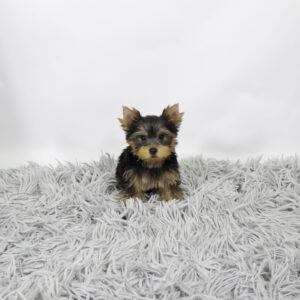
Yorkshire Terrier Puppies
Tiny bundle of love, packed with personality
- Adult weight 4–7 lbs
- Height 7–8 in
- Lifespan 12–15 years
- Exercise 30 min a day
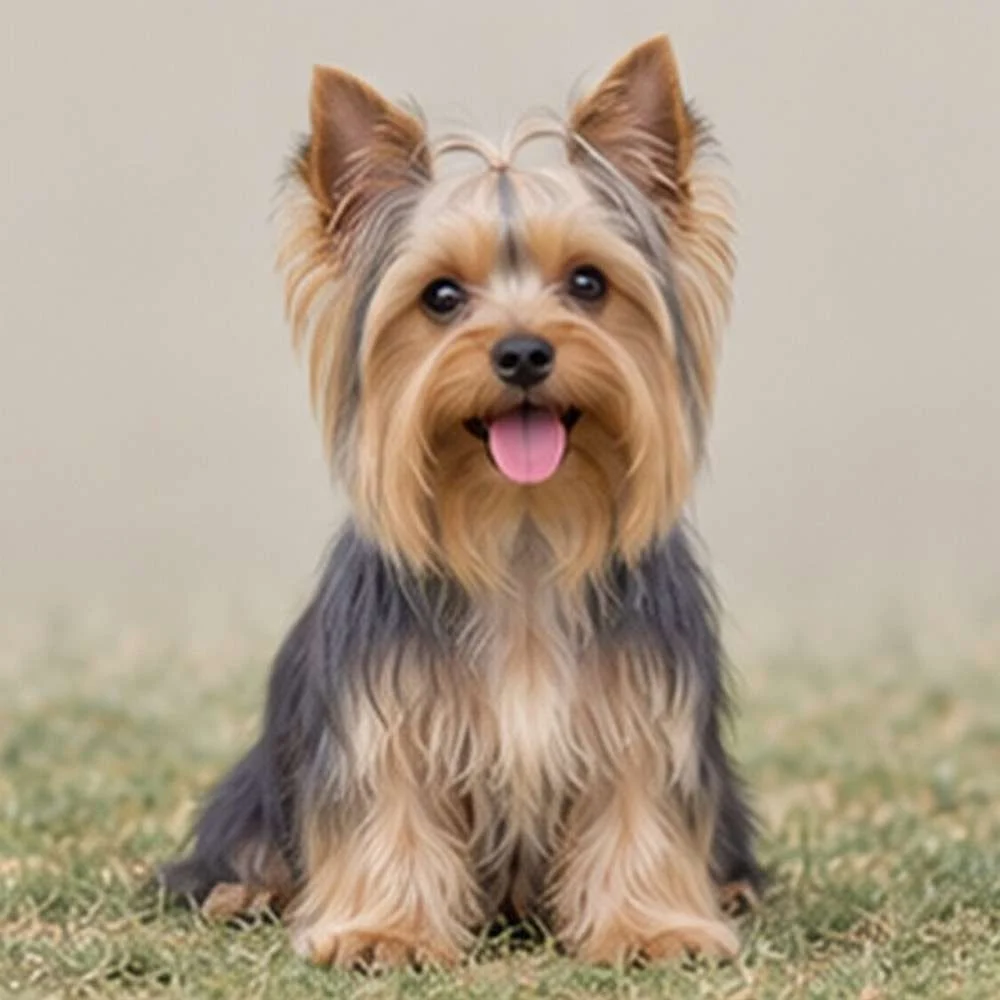 2 available now
Available Yorkshire Terrier Puppies
About the Yorkshire Terrier
The Yorkshire Terrier, often affectionately called the Yorkie, is a small breed with a big personality, originally bred in England for catching rats in textile mills. Despite their tiny stature, Yorkies are known for their bold and confident demeanor, easily becoming the center of attention in any home. They thrive on companionship, making them perfect for families who can shower them with affection, and their gentle nature allows them to bond well with young children. While their energy levels are relatively low, Yorkies are lively and curious, inviting daily play sessions to keep their spirits high.
Read more about the Yorkshire Terrier Show less
Living in an apartment? No problem! The Yorkshire Terrier adapts remarkably well to smaller spaces, and their apartment-friendly nature means they don’t require vast expanses of land. However, they do love to bark, which can be a result of their protective instincts and desire for attention. These little furballs are affectionately devoted to their families and thrive on social interactions, so they are happiest when included in daily activities, whether it be cuddling on the couch or participating in family adventures.
Grooming a Yorkshire Terrier requires a bit of commitment, as their beautiful long coats need weekly brushing to keep them looking their best and to minimize shedding. While they may not be known for being the most easily trainable breed, with patience and consistency, they can learn basic commands and tricks. Their intelligent yet sometimes stubborn nature means that dog owners should be prepared to invest time in training. If you are looking for a loving companion with plenty of personality, come meet our Yorkies at Petland Pembroke Pines and see if they steal your heart.
See available Yorkshire Terrier puppies at Petland Pembroke Pines
Yorkshire Terrier breed profile
Every score below is set by our team for this breed. Higher is simply more of that trait, not better or worse.
Temperament
-
Affection Devoted
-
Playfulness Very playful
-
With strangers Friendly
-
Territorial Territorial
-
Prey drive Moderate
Family & other pets
-
Young children Good
-
Older children Good
-
Other dogs Selective
-
Cats Needs care
Energy & exercise
-
Energy Low
-
Mental stimulation High
Training
-
Trainability Takes patience
-
Intelligence Steady
-
Stubbornness A stubborn streak
Care & upkeep
-
Shedding Very heavy
-
Drooling None to speak of
-
Barking Very vocal
Home life
-
Apartment living Good
-
Time alone Short periods
-
Cold weather Needs a coat
-
Warm weather Average
A good match for
-
First-time owners Good first dog
-
Senior owners Good
-
Running partner Short distances
-
Hiking Short walks
-
Therapy work Good
-
Guarding Low
Living with a Yorkshire Terrier
Temperament & Family Fit
The Yorkshire Terrier, with its charming personality, is a delightful companion for families and individuals alike. These little dogs are incredibly affectionate, often forming strong bonds with their families, particularly children. While they can be a bit barky and assertive, their loving nature tends to shine through, making them a wonderful addition to the right family environment.
Energy & Exercise
Despite their tiny stature, Yorkshire Terriers possess a surprising amount of energy packed into their little bodies. However, their energy level is on the lower end of the spectrum, making them suitable for apartment living and ideal for leisurely strolls or short play sessions. They enjoy some light exercise, but they’re quite happy being cuddled up on the couch with their favorite humans.
Care & Grooming
Yorkies are known for their luxurious coats, which do require regular grooming; a weekly brushing is essential to keep them looking pristine and prevent matting. They shed very little hair, making them a great choice for those with allergies. Regular check-ups with a groomer will help keep their coat healthy and maintain their adorable, signature style.
Training Notes
When it comes to training, Yorkshire Terriers may require a bit more patience, as their small size can sometimes lead to a bit of stubbornness. While they are quite intelligent, their trainability is moderate, so consistent and positive reinforcement methods work best. With time and love, they can learn commands and tricks, making for an enjoyable training experience.
Caring for a Yorkshire Terrier
- Grooming
- Weekly brushing
- Grooming cost
- Average
- Monthly food
- Average
- Outdoor space
- Manages without a yard
- Allergy friendly
- Often suits allergy sufferers
Frequently Asked Questions
What is the typical size of a Yorkshire Terrier?
Yorkshire Terriers are a small breed, usually weighing around 4 to 7 pounds. Their tiny stature makes them perfect companions for those who prefer smaller dogs, and they can easily fit into most living spaces.
How much exercise do Yorkshire Terriers need?
Yorkshire Terriers have a low energy level and don’t require extensive exercise. A couple of short walks and some playtime each day will keep them happy and healthy.
Are Yorkshire Terriers good with children and other pets?
Yorkshire Terriers generally do well with young kids, thanks to their affectionate nature. While they can be a bit reserved around larger dogs and may not always get along with them, they often do better with cats, depending on their individual personalities.
How often do I need to groom my Yorkshire Terrier?
Grooming is an important part of caring for a Yorkshire Terrier as they have a long, beautiful coat that requires attention. You'll need to groom them weekly to keep their fur in good condition and reduce matting.
Do Yorkshire Terriers bark a lot?
Yes, Yorkshire Terriers are known for their barking tendency. They tend to be quite vocal, which can be beneficial for alerting you to visitors but might require some training to manage excessive barking.