Small breed
Shiba Inu Puppies
We do not have Shiba Inu puppies on the floor today. Tell us what you are looking for and we will let you know the moment one arrives, or help you find a breed that suits your home just as well.
- Adult weight 17–23 lbs
- Height 14–17 in
- Lifespan 12–15 years
- Exercise 60 min a day
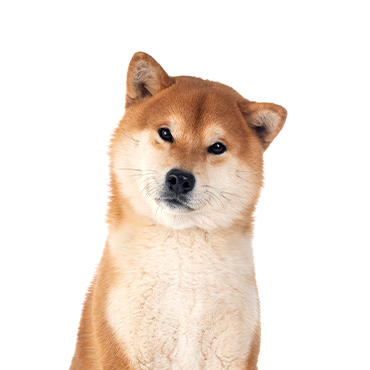
About the Shiba Inu
Discover the Shiba Inu
If you are looking for a charming and spirited companion, the Shiba Inu might just be the perfect match for your family. Known for their fox-like appearance and lively personality, Shibas are medium-sized dogs that boast a wonderful balance of independence and affection. While they can be a bit reserved, they are known to form strong bonds with their families. This breed may not be the best fit for households with very young children, as they can be a little sensitive to rough handling. However, with proper introduction and training, they can coexist happily with older kids and adults alike.
Read more about the Shiba Inu Show less
Shiba Inus are fairly energetic dogs, rated at a level 4 on the energy scale. They enjoy their daily walks and playtime, making regular exercise essential to keep their minds and bodies healthy. Fortunately, their apartment-friendly nature means they can adapt to smaller living spaces, provided they receive enough mental and physical stimulation. Just remember to take them out to explore the great outdoors, as they love to romp around and have fun.
Grooming your Shiba Inu is a breeze, as they only require weekly brushing to maintain their beautiful coats. They have a moderate shedding level, so occasional clean-up will be part of your routine. When it comes to training, Shibas are known to be a bit stubborn, with a trainability score of 2. Positive reinforcement methods work best for this breed, and early socialization will help to cultivate their confidence and friendly demeanor. Shibas are generally low barkers, and you’ll find that their calm nature often leads to a peaceful environment at home.
As with any breed, it is essential to be aware of potential health considerations. While Shiba Inus are relatively hardy, they can be prone to certain genetic issues. Regular vet check-ups and a healthy diet will go a long way in ensuring your Shiba Inu has a long and happy life. Overall, if you are patient, committed to socialization and training, and ready for a delightful companion, a Shiba Inu could bring joy to your family for years to come.
Shiba Inu breed profile
Every score below is set by our team for this breed. Higher is simply more of that trait, not better or worse.
Temperament
-
Affection Affectionate
-
Playfulness Very playful
-
With strangers Cautious
-
Territorial Very territorial
-
Prey drive High
Family & other pets
-
Young children Older kids only
-
Older children Good
-
Other dogs Selective
-
Cats Needs care
Energy & exercise
-
Energy High
-
Mental stimulation High
Training
-
Trainability Takes patience
-
Intelligence Very bright
-
Stubbornness Stubborn
Care & upkeep
-
Shedding Light
-
Drooling None to speak of
-
Barking Rarely barks
Home life
-
Apartment living Good
-
Time alone Most of a day
-
Cold weather Comfortable
-
Warm weather Average
A good match for
-
First-time owners Some experience helps
-
Senior owners Suitable
-
Running partner Good
-
Hiking Good
-
Therapy work Unlikely
-
Guarding Protective
Living with a Shiba Inu
Temperament & Family Fit
The Shiba Inu is known for its spirited and independent nature, making it a charming but sometimes challenging family pet. While they can bond closely with their human companions, they might be a bit reserved around young kids and other pets. Therefore, it’s important to introduce them to new family members slowly and thoughtfully.
Energy & Exercise
This breed has a moderate energy level, which means they enjoy daily walks and playtime, but they're also quite content to relax at home. With their playful yet balanced disposition, Shibas are well-suited for apartment living as long as they receive sufficient exercise. Engaging in interactive games and mental challenges helps keep their minds sharp and spirit high!
Care & Grooming
The Shiba Inu has a relatively low maintenance grooming schedule, requiring weekly brushing to manage their moderate shedding. Their double coat helps them adapt to various climates, minimizing worries about severe weather. Regular grooming not only keeps their coat healthy but also strengthens the bond between you and your furry friend.
Training Notes
Training a Shiba Inu can be a playful challenge, as they are known for their independent streak. Positive reinforcement techniques work best, keeping the training sessions fun and engaging. Patience and consistency are key; with the right approach, they’ll respond well and showcase their clever and spirited personality!
Caring for a Shiba Inu
- Grooming
- Weekly brushing
- Grooming cost
- Low
- Monthly food
- Average
- Outdoor space
- A yard is recommended
- Allergy friendly
- Not considered hypoallergenic
Frequently Asked Questions
What is the size of a Shiba Inu, and do they adapt well to apartment living?
Shiba Inus are considered medium-sized dogs, generally weighing between 17 to 23 pounds. They actually adapt quite well to apartment living as they have a neat energy level, making them suitable for smaller spaces as long as they get regular exercise.
Are Shiba Inus good family pets, especially for families with young kids?
While Shiba Inus are affectionate, they may not be the best choice for families with very young children since they tend to be a bit reserved around them. With patience and proper introductions, they can thrive in the family environment, but supervision is key.
How often do I need to groom a Shiba Inu?
Shiba Inus require grooming on a weekly basis to keep their coat in good shape and to manage any shedding. Their shedding level is moderate, so regular brushing helps keep your home clean and keeps their coat healthy.
How trainable are Shiba Inus?
Shiba Inus can be a bit challenging to train because of their stubborn nature. They do respond well to consistent training methods, so patience and positive reinforcement are really important for helping them learn.
Do Shiba Inus get along well with other pets, like dogs and cats?
Shiba Inus can be a bit selective with their friends—both canine and feline. They may not always get along with other dogs or cats without proper socialization and introductions, but with time and patience, they can learn to coexist peacefully.