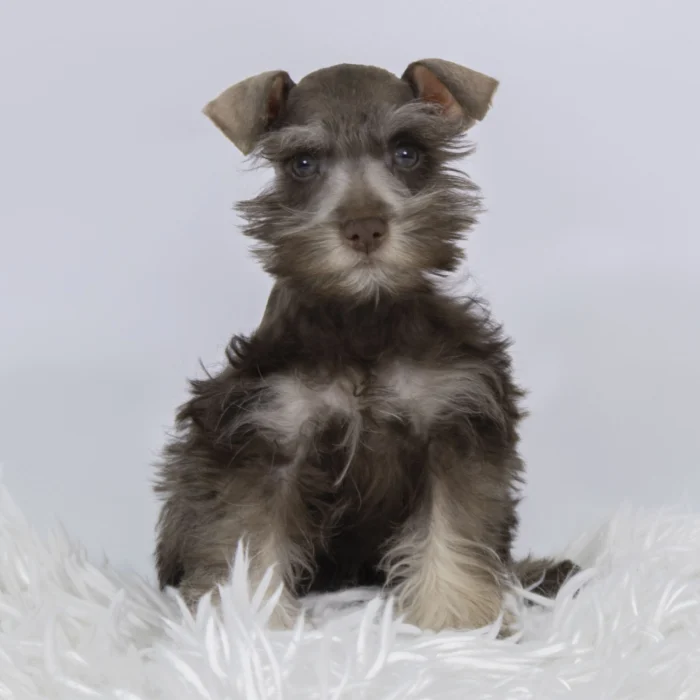
Why it is worth meeting a puppy in person
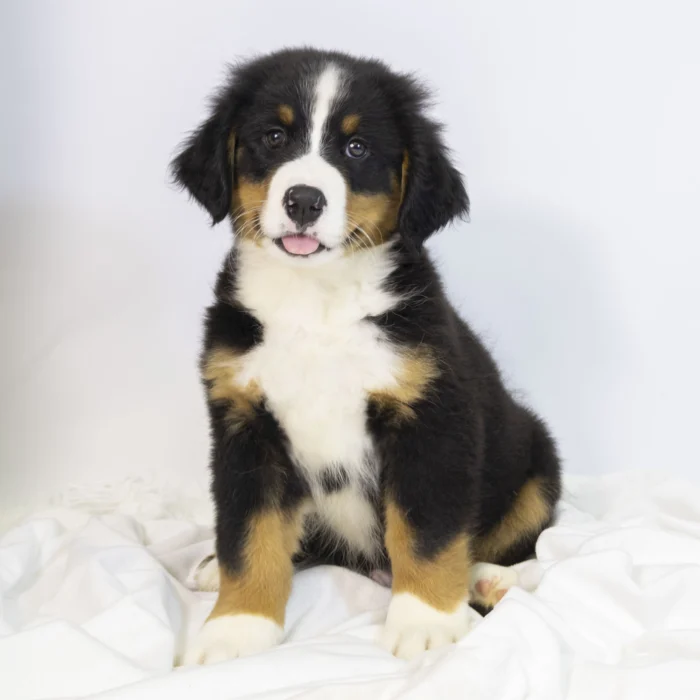
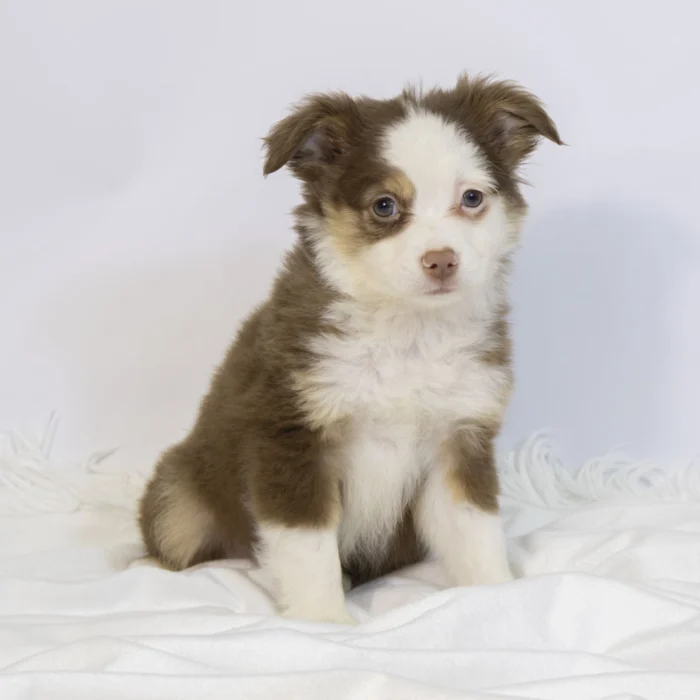
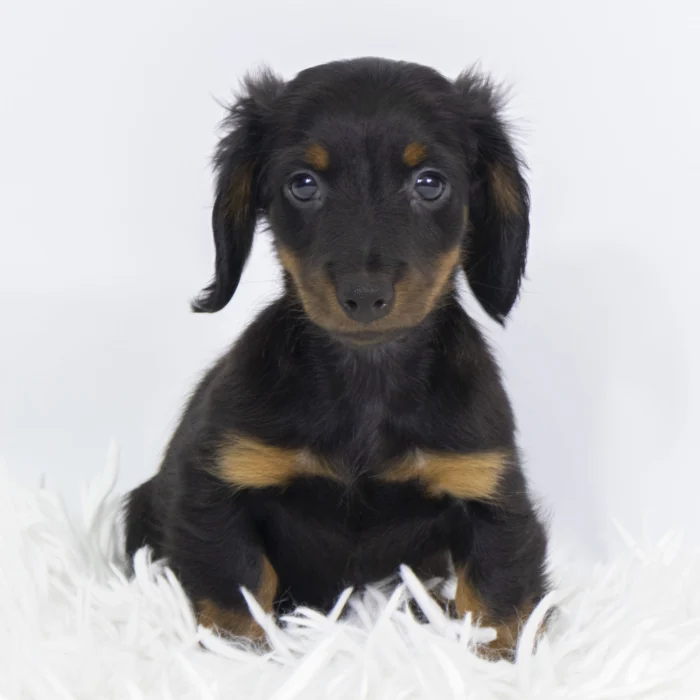
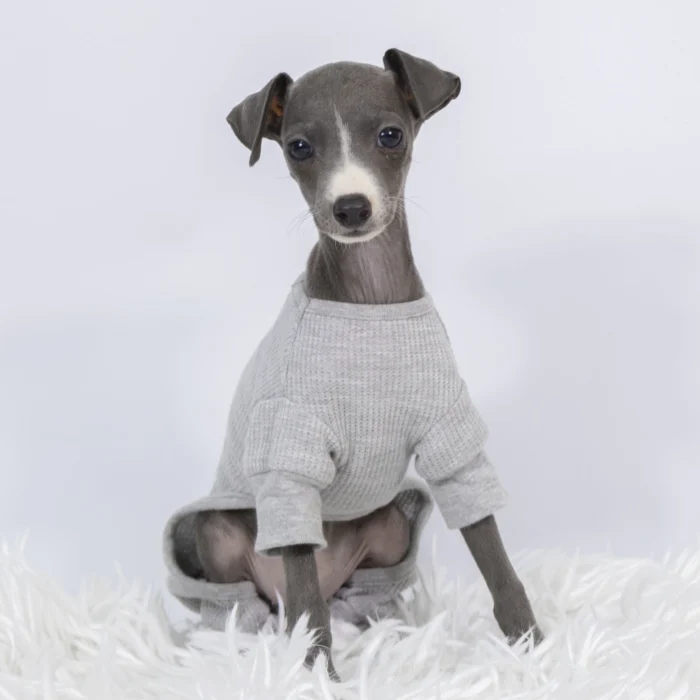
Choosing a puppy is not a catalog decision. A photograph tells you almost nothing about whether a puppy startles at loud voices, whether it follows a four-year-old around the room, whether it settles into a lap or wants to keep moving. Those things you learn in ten minutes in the same room as the dog, and they are what you live with for the next decade.
What an in-person visit gives you that a listing cannot:
- A real read on temperament and energy, including how quickly a puppy recovers after something surprises it.
- The chance to compare two or three breeds on the same visit, which is the fastest way to notice how differently they behave.
- Everyone who will live with the dog in one place, including the household skeptic, so the decision gets made once instead of relitigated at home.
- Direct answers from our team about a particular puppy's care needs, grooming schedule, expected adult size and documentation.
Miami Gardens sits at the northern end of Miami-Dade County, directly south of the Broward line, and plenty of daily life already crosses it. The drive to Pembroke Pines runs in that same northbound direction.
We are open seven days a week: Monday through Friday from 12:00pm to 9:00pm, and Saturday and Sunday from 10:00am to 9:00pm. The weekday evening hours help if your shift ends in the afternoon, and the weekend morning hours help if you would rather come out before the worst of the day's heat. You can reach the store at (954) 250-7771 with questions before you make the trip.
Miami Gardens housing and what it honestly means for breed choice
Most of Miami Gardens is built as single-family housing on its own lot rather than as apartment or condo density. A lot of that housing stock is mid-century: concrete block, terrazzo or tile floors, carports, modest front lawns, and back yards frequently fenced in chain link. There are also townhomes and apartment buildings, particularly along the busier corridors.
Each of those living situations points in a slightly different direction.
If you have a fenced single-family yard
You have more room to consider a medium or large breed than many households in Miami-Dade do, and that is a genuine advantage. A Labrador Retriever, Golden Retriever, Boxer or German Shepherd has somewhere to move. Two honest cautions come with it. First, a yard is not exercise. Dogs do not reliably exercise themselves, and a bored large dog left alone in a Florida back yard turns into a digging, barking, fence-patrolling dog. Second, walk your fence line before the puppy comes home rather than after. Gaps under chain link, a gate that does not latch properly, and a hedge hiding a hole are the escape routes people find the hard way.
If you are in a townhome or apartment
Shared walls make noise a practical factor, not a nicety. A reactive barker in a townhome row becomes a problem for you and for the neighbor on the other side of the drywall. Smaller, quieter companions tend to fit: a Havanese, Bichon Frise, Cavalier King Charles Spaniel, Maltese, Shih Tzu or Miniature Poodle. Be deliberate about the classic small-dog alarm barkers, including some Chihuahuas, Yorkshire Terriers and Miniature Schnauzers, unless you are ready to work on the barking from the first week.
If you have a full, busy house
Pick for tolerance rather than novelty. A puppy that will be handled by children and older relatives all day needs patience built into it. Retrievers, Poodles, Cavaliers, Havanese and steady Beagles generally cope well with constant traffic through the room. Very high-drive working breeds and very delicate toy breeds are both harder in a busy house, for opposite reasons: one needs a job, the other needs protecting.
If you rent or have an HOA
Read the lease or the HOA rules before anyone falls in love with a breed. Weight caps, breed restrictions and pet deposits all turn up in South Florida, and each is easier to settle before a puppy is in the car.
Breeds that tend to suit Miami Gardens life
No breed is wrong for a city, and no breed is a guarantee of anything. Still, some patterns hold up here, and it helps to arrive with a short list rather than no list at all.
Family dogs for a yard
Labrador Retriever and Golden Retriever are the default family answers for good reason: biddable, people-focused, forgiving of children. Both shed year-round in this climate and both need real daily activity, not just yard access. Boxers are affectionate clowns and tend to be excellent with kids, but they are short-faced and feel the heat more than new owners expect. German Shepherds are clever and loyal and want a job to do; they suit an owner who enjoys training and frustrate an owner who wanted something low-maintenance. Standard Poodles deserve more attention than they get here, athletic and quick to learn, with a coat that sheds less but needs regular professional grooming.
Guardian and larger breeds
If you are considering a larger guardian breed such as a Cane Corso or Rottweiler, we will be straight with you about it. These are powerful, intelligent dogs that often bond intensely with their household, and they need early socialization, consistent handling from every adult in the house, and an owner who has pictured the adult dog rather than the puppy. Check your homeowner's insurance and any HOA or lease restrictions before you go further, because both are common sticking points with these breeds.
Smaller companions
Havanese, Maltese, Bichon Frise, Toy and Miniature Poodles, Yorkshire Terriers, Pomeranians, Dachshunds and Cavalier King Charles Spaniels all do well in Miami Gardens homes and travel easily when you visit family. Mixed companions such as Maltipoos, Cavapoos and Mini Goldendoodles appeal to families who want a smaller dog with a lower-shedding coat. Those coats still need brushing at home and grooming on a schedule, which is a cost and a recurring block of time.
Breeds to think twice about in this climate
Thick-coated northern breeds, the Siberian Husky and Alaskan Malamute among them, are built for cold. People do keep them in South Florida successfully, but it means dependable air conditioning, carefully timed exercise, and accepting a heavy coat blowing out inside your house. Short-faced breeds get their own section below, because the heat question deserves the space.
Heat, humidity and flat-faced breeds: the South Florida reality
This is the most important health conversation a new puppy owner in Miami Gardens can have, and it is the one that gets skipped most often.
French Bulldogs, English Bulldogs, Pugs, Boston Terriers, Shih Tzus and Boxers are brachycephalic, meaning they have shortened muzzles. Dogs shed heat mainly by panting, and a shortened airway makes panting a less efficient radiator. In a humid climate that matters most of the year, not only in August. These are wonderful companion dogs. They simply need an owner who adjusts the routine around them instead of treating them like a Labrador.
Rules that apply to any puppy here, and double for a flat-faced one:
- Walk early in the morning or after sunset. The midday walk in summer is the problem, not the dog.
- Test the asphalt with the back of your hand. If you cannot hold it there comfortably for several seconds, it will burn paw pads. Pavement along the main corridors holds heat well into the evening.
- Carry water on every walk, including the short ones.
- Leave the air conditioning running for the dog when the house is empty. For a short-faced breed that is not pampering, it is basic safety.
- Learn what overheating looks like: frantic or raspy panting, thick ropey drool, bright red or dark gums, staggering, vomiting, collapse. It is an emergency. Get the dog into air conditioning, wet the body down with cool water, and call a vet immediately.
- Never leave a dog in a parked car. Not with the windows cracked, not for a few minutes.
Pools are the other Florida-specific risk worth planning for. If your yard has a pool, a puppy can fall in and be unable to find the step again. Teach your dog where the exit is, supervise every single time at first, and consider a pool fence or a water alarm. Do not assume a puppy can swim. Heavy-chested, short-legged and short-faced breeds are often poor swimmers, and a screened patio does not make the water safe.
Storm season, fleas, ticks and year-round care
Owning a dog in Miami-Dade comes with a few obligations that owners elsewhere in the country never think about. Handle them in the first few weeks, while it is easy, rather than during a storm watch.
Storm preparedness with a dog
Build the dog into the hurricane plan the same way you build in water and batteries. That means a crate or carrier the dog is already comfortable in, a set-aside supply of its food and any medication, copies of vaccination records kept with your own documents, and a current photo of you together in case you are separated. Work out in advance where the dog can actually go: many shelters do not accept pets, so know which friends, relatives or boarding options are realistic for you, and check whether any pet-friendly shelter option in Miami-Dade requires pre-registration before the season starts. Plan for the days after a storm too. Power loss means no air conditioning, which is a serious problem for any heat-sensitive breed.
Microchip and ID
Fences fail and gates get left open, usually on the day contractors or relatives are coming and going. A microchip with registered, current contact information is the thing that actually gets a dog home; a chip nobody ever registered does nothing at all. Add a collar tag with a working phone number as the fast, low-tech backup.
Parasites all year
There is no winter here to interrupt the flea and tick cycle, and mosquitoes carry heartworm year-round. South Florida dogs generally need continuous prevention rather than seasonal. Hedges, mulch beds and shaded yard corners are ideal flea habitat, so treat the yard as part of the problem rather than just the dog. Ask your vet to set a prevention schedule at the first visit, then keep it boringly consistent.
Grooming, ears and skin
Humidity means moisture, and trapped moisture means ear and skin infections, especially in floppy-eared and heavily coated breeds. Dry the ears after baths and swims, hold a grooming schedule for any curly or long coat, and check between the toes after yard time.
Getting to Petland Pembroke Pines from Miami Gardens
We are at 356 N University Drive, Pembroke Pines, FL 33024, on University Drive in the eastern part of Pembroke Pines. From Miami Gardens the trip is a northbound drive into Broward County, and which route makes sense depends mostly on where in the city you start.
- If you start near NW 7th Avenue or US-441: US-441/SR-7 runs north across the county line into Broward. From US-441 you pick up Pines Boulevard and continue to University Drive.
- If you prefer the interstate: take I-95 north, then head west on Hollywood Boulevard, which is signed as Hollywood Boulevard east of US-441 and becomes Pines Boulevard west of it. Continue on Pines Boulevard to University Drive. Knowing that name change in advance saves you hunting for a Pines Boulevard sign that is not there yet.
- If you start closer to NW 27th Avenue or the Palmetto Expressway: the Florida Turnpike runs north into Broward and has a Pines Boulevard exit. From Pines Boulevard you continue to University Drive.
Check your navigation app before you leave, since conditions on the north-south routes and along Pines Boulevard change through the day. If you are coming out with children or with one particular breed in mind, call (954) 250-7771 first, and the team can tell you what is in the store that day.
What to expect when you visit with the family
A puppy store visit with children goes much better with twenty minutes of planning beforehand. Here is what tends to help.
Before you leave the house:
- Agree as adults on the non-negotiables: size limit, activity level, grooming budget, and which specific person handles walks and feeding. Settle that in the driveway, not in front of a puppy.
- If you rent or answer to an HOA, confirm the pet rules first.
- Feed the children. A hungry child at the end of a long browse is the quickest route to a rushed decision.
- Bring everyone who will live with this dog, including anyone with allergies and anyone who is nervous around dogs. Better to find out now.
While you are here:
- Ask our team what the process is for meeting a puppy you are interested in, and follow whatever handling and hand-washing guidance they give you. Those rules protect the puppies more than they protect you.
- Coach kids on the approach ahead of time: calm voice, slow hands, let the puppy come to them.
- Watch the quiet signals rather than only the cute ones. Does the puppy recover quickly after a surprise? Does it seek out people? Does it eventually settle down? A puppy bouncing off the walls is entertaining for five minutes and is telling you something about the next two years.
- Ask about grooming frequency, expected adult size and energy level for the specific puppy in front of you, and about the documentation that comes with it. Read anything you are given before you sign it.
- It is completely acceptable to leave without a puppy and come back another day. A good match is worth a second trip, and anyone who pressures you is doing you no favors.
Before a puppy comes home, have the basics ready: a crate, food and water bowls, the food the puppy is currently eating, a collar and leash, an ID tag, puppy pads, safe chew toys, and a vet appointment already on the calendar.
Raising a puppy in a Miami Gardens neighborhood
The first few months shape the dog you live with for the next decade, and Miami Gardens gives you decent raw material to work with.
Socialization. Your blocks have sidewalks, kids on bikes, delivery trucks, lawn crews and loud weekends. All of that is useful exposure if you introduce it gradually and keep it positive. A puppy that meets strollers, hand trucks, leaf blowers and strangers in hats during its socialization window grows into a dog that does not come apart over any of them later. Keep the sessions short and upbeat, and follow your vet's guidance on where it is safe to take a puppy before the vaccine series is finished.
Where to move. The city has real green space, including the Betty T. Ferguson Recreational Complex along with other city parks. Leash and pet rules vary by park and by facility, so check the posted rules or the City of Miami Gardens before you plan an outing around your dog. Event days at Hard Rock Stadium can change traffic and noise patterns in the surrounding area, which is worth knowing both for walk planning and for a noise-sensitive puppy.
A heat-adapted routine. Build the habit from the first week: movement early and late, enrichment indoors in the middle of the day. Sniffing games, food puzzles, short training sessions and chew time tire a dog out more than owners expect, and all of them are available at 2pm in July when a walk is not.
Training. Start on day one with the unglamorous essentials, because those are the ones that keep a dog safe here: a reliable recall, a solid wait at doors and gates, loose-leash walking, and real comfort in a crate for storms and vet visits. House-training moves faster if you use the same door and the same spot in the yard every single time.
A vet relationship. Choose a vet before you need one, ask about their after-hours policy, and write down the 24-hour emergency hospital you would use. With a heat-sensitive or short-faced breed especially, knowing where to drive at 11pm is worth sorting out in advance.
Talk to our team before you decide
If you are weighing a puppy for your Miami Gardens home, the most useful thing you can bring is a clear sense of your own constraints: how big a dog your space and your lease allow, how much daily activity you will realistically provide, how much grooming you are willing to pay for, and how much heat sensitivity you are prepared to manage.
Bring that and the conversation gets specific quickly. We would rather help a family rule out three breeds and choose the fourth well than hand someone a puppy that does not suit their life.
Petland Pembroke Pines
- 356 N University Drive, Pembroke Pines, FL 33024
- Phone: (954) 250-7771
- Monday through Friday, 12:00pm to 9:00pm
- Saturday and Sunday, 10:00am to 9:00pm
Which puppies are in the store changes, so call ahead if you have a particular breed in mind. Ask our team about the current health guarantee and what paperwork is included, so you get accurate, up-to-date details for the specific puppy you are considering.
Questions from Miami Gardens families
No. Petland Pembroke Pines is at 356 N University Drive, Pembroke Pines, FL 33024, in Broward County. There is no Miami Gardens location. Families from Miami Gardens reach us by heading north into Broward, most commonly on US-441/SR-7, on I-95 and then west on Hollywood Boulevard where it becomes Pines Boulevard, or on the Florida Turnpike to its Pines Boulevard exit, then on to University Drive.
We do not publish puppy prices, because they depend on the individual puppy. That is a conversation to have with our team in the store or by phone at (954) 250-7771. We would rather start with which breed actually suits your household, since that decision shapes the next ten years more than anything else in the process.
A fenced yard opens up medium and larger breeds that are difficult to manage in an apartment: Labrador Retrievers, Golden Retrievers, Standard Poodles, Boxers and German Shepherds are the usual starting points. The yard itself is not the whole answer, though, since none of those breeds is satisfied by space alone. Ask yourself who is doing the daily walks and the training, and answer that before you choose the size of the dog.
Noise, mainly. With shared walls, a dog that alarm-barks at every hallway sound becomes your neighbor's problem as well as yours. Smaller, quieter companions tend to settle better in that setting, and whatever you choose, work on quiet behavior and alone-time from the first week rather than waiting for complaints. Also confirm any weight cap or breed restriction in your lease or HOA documents before you visit.
They are not off-limits, but they need an owner who adapts. Brachycephalic breeds have shortened airways, and because panting is how a dog sheds heat, humidity and midday sun hit them harder. In practice that means walking early or after dark, running the air conditioning when the house is empty, carrying water, checking pavement temperature with your hand, and knowing the signs of overheating well enough to act on them immediately.
We are open Monday through Friday from 12:00pm to 9:00pm and Saturday and Sunday from 10:00am to 9:00pm. Calling (954) 250-7771 first is worth it if you have a specific breed in mind or questions you want answered before you commit to the drive, since the puppies in the store change.
Do it before a storm is named. Get the dog genuinely comfortable in a crate, set aside food and any medication, keep copies of vaccination records with your own documents, and keep a current photo of you with your dog. Decide in advance where the dog would go, since many shelters do not take pets, and check whether any pet-friendly option in Miami-Dade requires pre-registration. Plan for the aftermath too: days without power mean days without air conditioning.
A crate, bowls, the same food it has been eating, a collar, leash and ID tag, puppy pads, safe chew toys, and a vet appointment on the calendar. Keep the diet and feeding schedule unchanged at first, because a new house plus a new food is what causes most of the stomach upsets new owners worry about. Get the microchip registered to your current phone number right away, and if you have a pool, supervise every trip to the yard until your dog reliably knows where the step is.
Both are questions for our team directly, since the details can change and we would rather you have accurate information than a summary on a web page. Call (954) 250-7771 or ask in store about payment options and about the current health guarantee and documentation for the puppy you are considering, and read any agreement in full before you sign it.