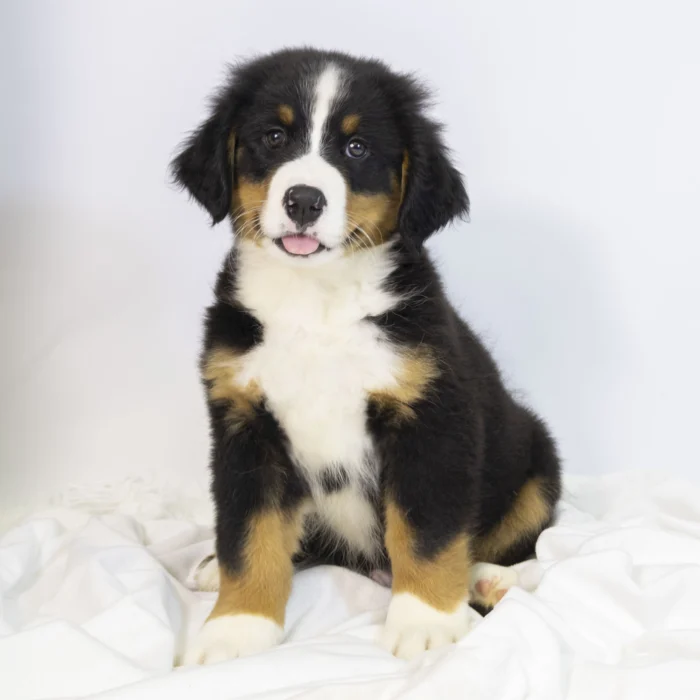
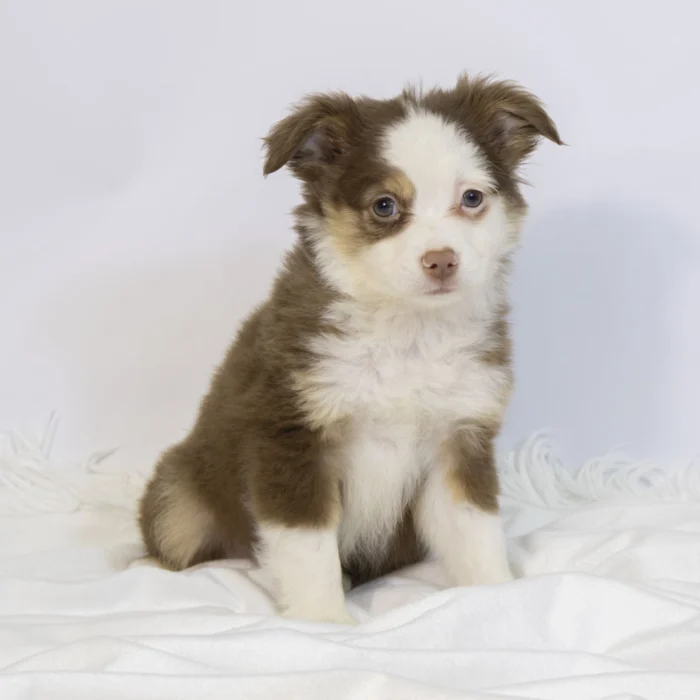
Seeing a Puppy in Person Rather Than on a Screen
Aventura is a compact city, and its commercial space is concentrated in a few corridors around the mall, the Promenade and US-1. A store full of puppies needs more floor area than those corridors usually give up, so a search that starts here tends to point outside the city.
What a visit gives you that a listing cannot is behavior. A photograph will not tell you whether a puppy leans into an outstretched hand or backs away from it, whether it recovers quickly after a door slams, or what it does when a child sits on the floor beside it. Those are the things that predict the next ten or fifteen years, and they are only observable in person. You can also ask the people handling that particular puppy what it has been like day to day, which is different information from a breed description. And you can look, ask questions and leave again without deciding anything. Nobody should buy a dog in a hurry.
Where we are: 356 N University Drive, Pembroke Pines, FL 33024. Phone: (954) 250-7771. Hours: Monday through Friday 12:00pm to 9:00pm, Saturday and Sunday 10:00am to 9:00pm. We are open seven days a week, and the evening hours exist for people who cannot get out before dinner. If there is a specific breed you want to see, call first, because which puppies are in the store changes constantly.
Get Your Building's Pet Policy in Writing Before You Choose a Breed
For an Aventura buyer this step comes before breed, before name, before anything. Homes here very commonly sit under a condominium association or an HOA, and pet provisions differ from one tower to the next on the same street. It helps to know the rules by name, so you can ask for them specifically instead of asking a general question and getting a general answer.
- Adult weight caps, and how the association applies them. A limit written for a mature dog says nothing about the eight-pound puppy you carry in through the lobby.
- How many animals one unit may keep, and whether cats count toward the same total.
- Which entrances and elevators a dog may use. Some buildings route pets through a service elevator or a side door.
- Registration with management, which often means a form, a photograph of the dog and current vaccination records kept on file.
- Designated relief areas, and which landscaped areas are off limits entirely.
- Deposits, fees or liability insurance requirements attached to keeping an animal.
- Restrictions by breed, type or appearance, which some associations still maintain.
Ask the management office or the board for the current declaration and the rules and regulations, including every amendment. The file on a resident portal can be years and two amendments out of date, and pet provisions are exactly the sort of rule that gets amended. If you rent, read the lease separately, because a landlord can impose conditions the building itself does not.
Then bring the specifics with you. If your documents cap adult weight at a particular number, our team needs that number at the start of the conversation rather than the end. It narrows the field usefully, and it protects you from the worst version of this story: a family told months later that the dog they have raised cannot stay.
Breeds That Tend to Suit Aventura Homes
There is no single right answer, but housing type does most of the work in narrowing the field.
High-rise and condominium living
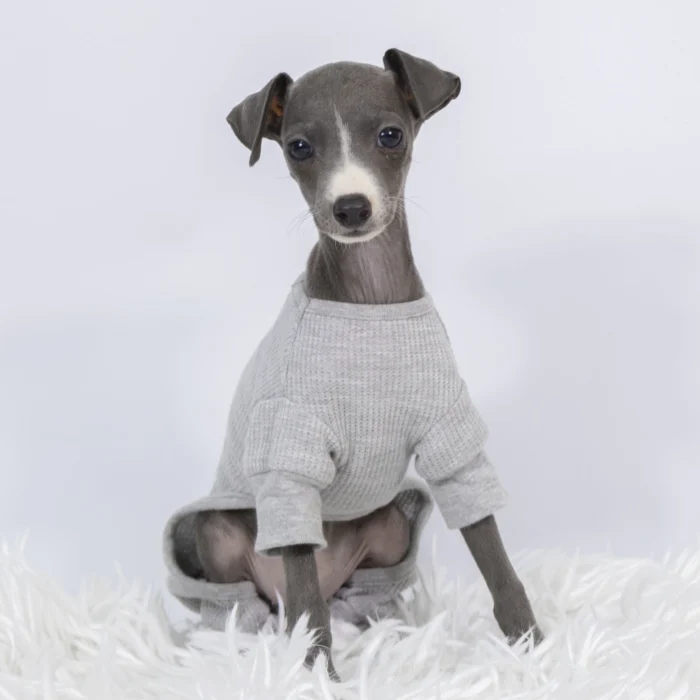
Where there is no yard, shared walls on both sides and a corridor outside the front door, the dogs that do best are usually small, adaptable and people-oriented. Breeds that stay within the size range most buildings allow include the Havanese, Cavalier King Charles Spaniel, Miniature Schnauzer, Maltese, Italian Greyhound, Dachshund, Shih Tzu, Toy Poodle and Miniature Poodle, Bichon Frise, Pomeranian and Yorkshire Terrier. Poodle crosses such as the Maltipoo, Cavapoo and Cockapoo fit the same size brief, and tend to interest households looking for a lower-shedding coat.
Two honest caveats. Small is not the same as quiet. A Pomeranian or a Yorkshire Terrier can be a vocal dog, and a long concrete corridor carries sound in both directions. Barking at footsteps in the hallway is trainable, but it is work you start in week one, not something you address after a neighbor complains. Second, a low-shedding coat is not a low-maintenance coat. A Maltese, Shih Tzu or any Poodle cross in Florida humidity needs regular brushing at home and a standing grooming appointment, or the coat mats close to the skin.
Townhomes and homes with their own outdoor space
With ground-floor access and a yard of your own, the field opens up. The Golden Retriever, Labrador Retriever, Standard Poodle, Goldendoodle, Labradoodle, Portuguese Water Dog, Soft Coated Wheaten Terrier and Cocker Spaniel all suit an active household, and the water-loving breeds among them fit a family whose weekends involve a pool or a boat. A Whippet is an interesting middle option: it needs real chances to sprint in a safely enclosed space, and is unusually calm indoors between those bursts.
Think hard before choosing a high-drive working or herding breed for a dense city. A Border Collie or an Australian Shepherd is bred to solve problems all day alongside a human partner, and without an outlet that intelligence tends to turn into anxiety or destructive habits rather than a calm pet. An independent breed such as the Shiba Inu deserves the same thought: clean, striking and frequently cat-like, but not the easygoing companion some people expect on a crowded elevator.
Elevators, Corridors and Lobby Manners
Count the doors between your crate and the nearest patch of grass. For most Aventura homes the answer is a front door, a corridor, an elevator, a lobby and a sidewalk, and a young puppy that needs to go out every couple of hours has to cross all of them each time. That is a logistics problem worth planning for before the puppy arrives rather than discovering at 2:00am on the first night.
- Expect a two-stage plan. An indoor option near the door, such as pads or a turf tray, is a common bridge while a puppy's bladder control and vaccination schedule catch up. Ask your veterinarian when your specific puppy should be on shared ground surfaces, and follow that answer rather than a general rule you read online.
- Make the elevator a training exercise. Sliding doors, a floor that moves, strangers at close range and other dogs at nose level are a great deal for an eight-week-old. Short, calm, repeated trips that end in a treat beat one long outing.
- Put the crate away from the corridor wall. Footsteps, luggage carts and neighbors' doors are the usual triggers for barking in a building, and distance from that wall removes most of them.
- Treat the balcony as a hazard until you have proved otherwise. Measure railing gaps against your puppy's actual body, never leave a puppy out there unattended, and remember that tile and composite decking get painfully hot in direct sun.
- Use the people you pass every day. Front-desk staff, valets, maintenance crews and neighbors waiting for the elevator are a socialization resource most suburban owners do not have. A puppy that meets a steady stream of calm adults in its first weeks generally grows into an easier adult dog, and a building gives you that for free.
Heat, Humidity and Flat-Faced Breeds
From roughly late spring into October, the middle of the day is not walking time in South Florida. Concrete, asphalt, pavers and parking-garage decks hold heat long after the air itself feels tolerable, and the breeze off the Intracoastal makes it easy to underestimate how hot a surface has become. Press the back of your hand to the pavement and hold it there; if you want to lift it, so does the dog. Early morning and after dark are the walks that work, with short functional trips in between.
This matters most for the brachycephalic, or flat-faced, breeds: the French Bulldog, Bulldog, Pug, Boston Terrier and, to a lesser degree, the Shih Tzu. A dog sheds heat mainly by panting, a shortened airway makes panting less efficient, and high humidity makes it less efficient again. These are affectionate, apartment-suited dogs with real appeal for high-rise living. They are also air-conditioning dogs: they need shade, walks timed to the cool parts of the day, and an owner willing to turn around early. If your picture of dog ownership is a long afternoon on the exercise trail, pick a different breed and be honest with yourself now rather than later.
Two further South Florida realities to know before you commit. Parasite season never really ends here, so flea, tick, mosquito and heartworm prevention run year-round rather than seasonally; ask your veterinarian what they recommend for your puppy and plan the cost into your year. And a parked car with the engine off is dangerous within minutes even in a shaded garage, which effectively rules out bringing the puppy along on errands through the warm months.
The Intracoastal, Seawalls and Boats
Aventura is built around water, and water is the part new owners most often get wrong. Puppies are not automatically swimmers, some breeds never become strong ones, and every dog has to learn where the exit is before it needs it, so walk your puppy to the pool steps on a leash often enough that the route becomes a habit.
The waterfront is the part specific to living here, and it deserves more caution than a pool does.
- A seawall has no shallow end. A dog that goes into the Intracoastal from a seawall or a dock cannot wade out the way it could at a beach, and in many places there is nothing to climb. Treat a waterfront edge the way you would treat a balcony railing, not the way you would treat a pool deck.
- Docks are slick and gapped. Wet boards, ladder openings and the gap between a dock and a hull are all hazards at puppy size. A leash near the water is not overcautious.
- On a boat, use a fitted canine life vest with a lifting handle, and work out in advance how you would get a wet dog back aboard. Plan for shade and fresh water too, because gelcoat decks get extremely hot. This applies even to natural water breeds such as the Labrador Retriever and the Portuguese Water Dog.
- Rinse and dry afterward. Chlorine, salt and brackish water all irritate skin and coat, and heavy drop-eared dogs such as the Cocker Spaniel, Cavalier King Charles Spaniel and Golden Retriever need their ears dried properly to reduce the risk of infection.
Hurricane Season in a Coastal High-Rise
Hurricane season runs from June 1 to November 30, and a dog changes the plan in specific ways. Work through it before the first named storm rather than during one.
- Know your evacuation zone and your building's storm plan. If you are in a zone that may be ordered to leave, the dog has to be part of where you go rather than a problem you solve at the door. Hotels set their own conditions, and county pet-friendly shelter programs generally require advance registration and specific documentation, so confirm the current requirements directly with Miami-Dade well before anything forms in the Atlantic.
- An outage cancels the elevator for every trip, not one. Power can be out for days, and a dog still needs to go out several times a day throughout. Picture that stairwell in the dark, more than once, and then ask honestly whether the adult version of the dog you are considering is one you could carry down it.
- Think about where the relief area is afterward. Landscaping comes down, debris covers sidewalks and standing water sits for a while. A dog already comfortable with an indoor option has somewhere to go when the usual patch of grass is unusable.
- Build the go-bag now. Carrier or crate, several days of food and water, medications, bowls, waste bags, a leash plus a spare, a towel, copies of vaccination records, and current photos of you with the dog in case you are separated.
- Keep the microchip registration current. A chip only helps if the phone number attached to it is the one you answer today.
Driving to Our Pembroke Pines Store From Aventura
The trip runs generally west and north: out of northeast Miami-Dade, up into Broward County, then west across Pembroke Pines. A couple of familiar corridors do most of the work.
- Via the Florida Turnpike: head west from the Biscayne Boulevard and US-1 corridor on Ives Dairy Road or Miami Gardens Drive to reach the Turnpike, then north into Broward before turning west.
- Via I-95: pick up I-95 north at the Ives Dairy Road or Miami Gardens Drive interchanges, then cross west through Broward on one of the main east-west boulevards.
- Once you are in Pembroke Pines: Pines Boulevard is the main east-west artery across the city, and University Drive crosses it running north and south. Our address is on North University Drive.
Put 356 N University Drive, Pembroke Pines, FL 33024 into your navigation app and let it weigh current traffic, which it does far better than any written route. We do not publish drive times, because conditions on these corridors vary by hour and by season and any number we printed would be wrong most of the time. If you are unsure about the last few turns, call (954) 250-7771 before you set out.
Planning Your Visit
Come prepared for a conversation rather than a transaction. The visits that go best tend to have a few things in common.
- Your building's pet policy, with any weight or count limits in writing. This is the first filter, and it saves everyone time.
- Everyone who lives in the home. How a puppy responds to your children, and how they respond to a puppy that wriggles, mouths and has needle-sharp teeth, is information you cannot get secondhand.
- Honest numbers about your day. How many hours will the puppy be alone? Who does the 6:00am walk? What happens when someone travels? A breed that is wrong for an empty apartment eight hours a day is wrong however much you like how it looks.
- Notes on allergies and other animals. If someone in the family reacts to dogs, say so at the beginning. If you already have a dog or a cat, tell us, and call before bringing another animal with you to the store.
- Time. Give yourself an unhurried visit rather than a stop squeezed between errands. If you want to know when the store is typically quieter, call (954) 250-7771 and ask.
Ask our team directly what health documentation comes with the puppy you are considering, what veterinary care it has had, what guarantee or coverage terms apply, and what happens after you take it home. We would rather walk you through those specifics in person, with the paperwork for the actual puppy in front of you, than describe them generally on a web page. Read what you are given before you sign it.
Your First Weeks Home in Aventura
Line a few things up before the puppy arrives rather than after.
A veterinarian you can actually reach. Choose a practice in or near Aventura, book the first wellness visit for soon after homecoming, and find out now who handles emergencies overnight and on weekends. Put both numbers somewhere other than your own memory, and tell everyone in the household where they are.
A groomer, if your breed needs one. Coated and curly-coated dogs do better on a standing schedule in this climate, and short, calm handling sessions at home while the puppy is young, including feet and ears, make a lifetime of appointments easier.
A training class. In a building, manners are not optional: settling when a door slams down the hall, loose-leash walking across a busy lobby, staying calm when the elevator opens on a stranger. A few weeks of structured work in the first months pays for itself many times over.
Routines that fit the city. The loop path along Country Club Drive is a well-known walking and jogging route, and the city's parks include designated dog areas, but access rules, hours and any resident-identification requirements change, so confirm the current ones with the City of Aventura before building a routine around them. The same goes for the larger county parks with dog areas. Indoors, enrichment matters more than square footage: puzzle feeders, a rotation of chews, two or three short training sessions a day and real discipline about naps do more for a condo puppy than an extra bedroom would.
If you are still weighing breeds, come and talk it through. Bring your questions, bring your building's rules, and bring the family. We are at 356 N University Drive in Pembroke Pines, open seven days, and you can reach us at (954) 250-7771.
Questions from Aventura families
No. Our store is at 356 N University Drive, Pembroke Pines, FL 33024, in Broward County, and we serve families from across South Florida including Aventura. There is no Aventura branch, so plan on driving west and north into Broward to visit us.
We do not publish puppy prices on this page, because they depend entirely on the individual puppy. Call (954) 250-7771 or come in and ask our team, and you will get an answer about the specific puppy you are interested in rather than a range that may not apply to it.
Bring us the exact figure from your condominium documents and we will work within it. Two things to keep in mind: the limit almost always refers to the dog's adult weight rather than its weight the day you bring it home, so you need a realistic estimate of mature size, and a number alone is not the whole policy. Check at the same time whether your building restricts the number of animals, particular breeds or types, or which elevators and entrances a dog may use.
Not automatically, but it requires commitment. Flat-faced breeds, including the French Bulldog, Bulldog, Pug and Boston Terrier, cool themselves less efficiently than other dogs, and our heat and humidity make that harder still. They do well with owners who keep them in air conditioning, walk them early and late, keep outings short, and are willing to turn around the moment the dog starts working to breathe. If you want a long-distance walking or jogging companion, choose a different breed.
Our hours are Monday through Friday 12:00pm to 9:00pm and Saturday and Sunday 10:00am to 9:00pm. Before you drive over from Aventura, call (954) 250-7771. Our team can tell you whether anything needs to be arranged in advance and whether the breed you want to see is currently in the store, which saves you making the trip twice.
Yes, and we would encourage it if the dog is going to be a family dog. Watching how a puppy and your children actually behave together is one of the most useful things you can do before deciding. Keep the visit short enough that nobody gets tired and cranky, and be ready to supervise closely, since puppies mouth and small children move fast.
Ask our team directly, in person, for the puppy you are considering. They will go through the documentation and any guarantee or coverage terms that apply. We do not describe those terms generally on a web page, because the details belong with the actual paperwork for the actual puppy. Ask before you commit to anything, and take the time to read what you are given.
Please call (954) 250-7771 before you do. There are good reasons to be careful about bringing an outside dog in around young puppies, and our team will tell you what is possible and whether there is a better way to arrange an introduction.
Size is the obvious filter, but noise is the one people forget. Shared walls and long concrete corridors carry sound, so a dog that announces every footstep in the hallway creates friction quickly. Breeds that commonly work well in towers include the Havanese, Cavalier King Charles Spaniel, Maltese, Shih Tzu, Bichon Frise, Toy or Miniature Poodle, Miniature Schnauzer, Italian Greyhound and Dachshund, along with Poodle crosses such as the Maltipoo, Cavapoo and Cockapoo. Tell us about your floor, your corridor and how many hours the dog will be alone, and the conversation gets much more precise.