Large breed
Komondor Puppies
A fluffy guardian with a gentle heart
We do not have Komondor puppies on the floor today. Tell us what you are looking for and we will let you know the moment one arrives, or help you find a breed that suits your home just as well.
- Adult weight 80–120 lbs
- Height 25–30 in
- Lifespan 10–12 years
- Exercise 30 min a day
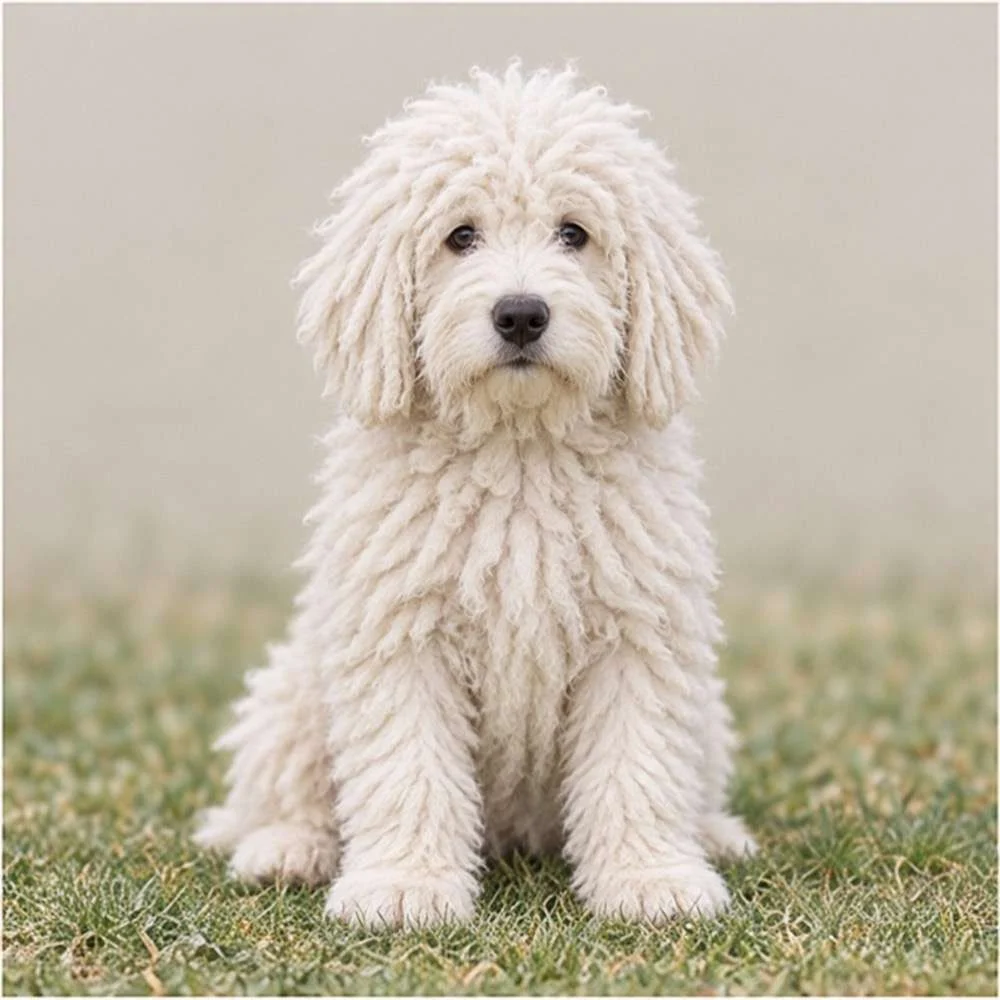
About the Komondor
The majestic Komondor, often referred to as the “mop dog,” is a large breed known for its striking, corded coat that resembles a walking bundle of towels. Originating from Hungary, these dogs were historically bred to protect livestock and their strong instincts make them excellent guardians. As future owners, you’ll find that their loyal nature and affectionate demeanor can provide a strong bond with your family, making them a great companion for those willing to invest time and love into their upbringing.
Read more about the Komondor Show less
With moderate energy levels, Komondors thrive in spacious environments, yet they can adapt to a variety of living situations if given the proper exercise. Daily walks and playtime help keep them happy and healthy, fostering both physical and mental stimulation. While they can be a bit stubborn at times, they respond well to patient and consistent training methods, especially when socialized from a young age. This breed typically has a soft spot for children, developing strong connections with young family members, though their protective instincts mean they may prefer a careful introduction to other dogs.
When it comes to grooming, the Komondor requires a devoted grooming routine due to their unique coat, which needs professional attention to maintain its distinctive cords and minimize shedding. Their grooming needs can be quite an investment of time and money, but the result is a magnificent coat that turns heads wherever you go. If you’re considering bringing a Komondor into your home, be prepared for an affectionate companion who is as lovable as they are impressive, making them a delightful addition to any family prepared for their unique needs. You can catch a glimpse of this extraordinary breed at Petland Pembroke Pines, where we celebrate connections between families and their future furry friends.
Komondor breed profile
Every score below is set by our team for this breed. Higher is simply more of that trait, not better or worse.
Temperament
-
Affection Very affectionate
-
Playfulness Calm
-
With strangers Wary
-
Territorial Very territorial
-
Prey drive Low
Family & other pets
-
Young children Older kids only
-
Older children With care
-
Other dogs Prefers to be the only dog
-
Cats Usually fine
Energy & exercise
-
Energy Relaxed
-
Mental stimulation Moderate
Training
-
Trainability Takes patience
-
Intelligence Very bright
-
Stubbornness Stubborn
Care & upkeep
-
Shedding Heavy
-
Drooling A drooler
-
Barking Vocal
Home life
-
Apartment living Prefers a house
-
Time alone Most of a day
-
Cold weather Thrives in it
-
Warm weather Needs shade
A good match for
-
First-time owners Some experience helps
-
Senior owners Demanding
-
Running partner Short distances
-
Hiking Good
-
Therapy work Unlikely
-
Guarding Strong guardian
Living with a Komondor
Temperament & Family Fit
The Komondor is a gentle giant known for its affectionate nature. They can be wary of strangers, making them excellent guardians for families. With their loving demeanor, they often form strong bonds with children and provide a comforting presence in the household.
Energy & Exercise
This breed has a moderate energy level, which means they enjoy regular walks and playtime but can also appreciate some downtime. While they don’t require intense exercise, daily activity is essential to keep them healthy and happy. A leisurely stroll or some fun in the backyard will be enough to satisfy their needs.
Care & Grooming
Grooming a Komondor is quite a commitment due to their unique corded coats, needing professional grooming to keep them in tip-top shape. Their shedding level is high, so be prepared for extra fluff around the house. Regular grooming sessions are important not just for aesthetic reasons, but also to maintain their coat health.
Training Notes
The Komondor is fairly trainable, but consistency and patience are key. They can be stubborn at times, so positive reinforcement is the best approach. Socialization is vital to help them feel comfortable around other dogs, as they can be aloof with unfamiliar pets, but they often get along well with cats.
Caring for a Komondor
- Grooming
- Professional grooming
- Grooming cost
- High
- Monthly food
- High
- Outdoor space
- A yard is recommended
- Allergy friendly
- Not considered hypoallergenic
Frequently Asked Questions
What is the size and temperament of a Komondor?
Komondors are large dogs, known for their impressive size and unique corded coat. They are generally affectionate and loyal, making them great family companions, but they can be quite protective, so socialization is important.
How much exercise does a Komondor need?
While Komondors have a moderate energy level, they still require regular exercise to keep them happy and healthy. Daily walks and some playtime will help satisfy their needs, but they are not overly demanding in terms of activity.
Are Komondors good with children and other pets?
Komondors can be gentle with young kids, but their protective nature means supervision during interactions is wise. They tend to get along better with cats than with other dogs, as they may not have the same level of tolerance for canine companions.
What is the grooming requirement for a Komondor?
Owning a Komondor involves a commitment to grooming, as their unique coat requires professional care to prevent matting. Regular grooming is essential, and many owners find a professional groomer is best equipped to handle their special coat type.
How trainable are Komondors?
Komondors are fairly trainable, but they can be a bit stubborn due to their independent nature. Consistent, positive reinforcement techniques work well with them, and early socialization and obedience training are recommended to help them thrive.